
Learning from the Second String

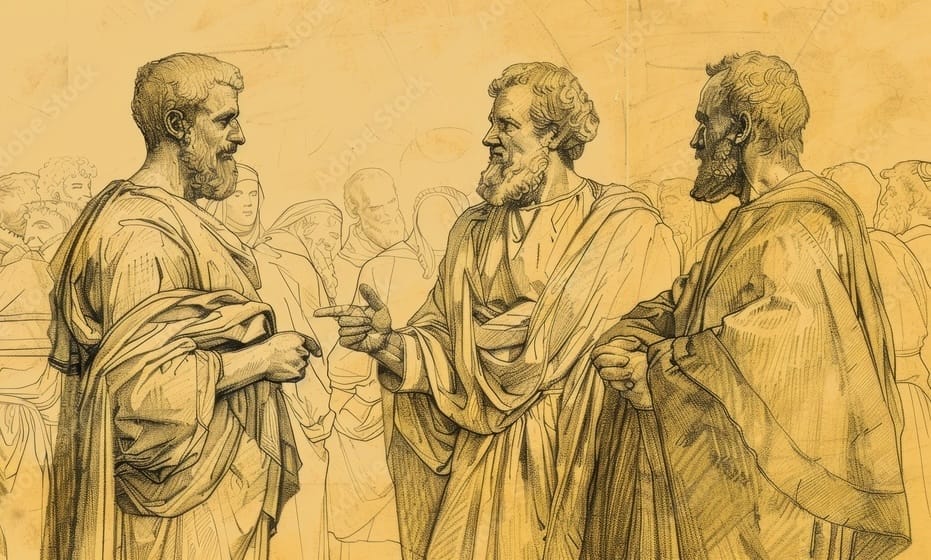
There are many godly men and women in the Bible. The list is much longer than Abraham, Joseph, Deborah, Ruth, David, Josiah, Jeremiah, Daniel, Esther, John the Baptist, Mary, Martha, Peter, John, James, and Paul. Those are some of the names that come readily to mind whenever you think of the great and godly people of faith. But it's the second string, b-players whom I often find myself looking to and learning from.
Joseph, a Levite Jew born in Cyprus, is one such man. You may know him better as Barnabas, for that was the name given to him by the apostles (Acts 4:36). It means "son of encouragement" and this seems quite fitting for the man.
The first mention we have of Barnabas in Scripture is at the end of Acts 4, as he sells a tract of land he owns and gives the proceeds to the church in Jerusalem. Fast forward a few years, and a newly saved Saul (who later would be called Paul)1 comes to Jerusalem, trying to meet believers there. Unsurprisingly, due to his history of persecuting Christians, no one trusts him. Yet when Barnabas meets Saul in Acts 9, he responds differently. Barnabas brings him to the apostles and tells them of God's work in Saul's life.
After Stephen's martyrdom, believers in Jerusalem scatter, with the result that the gospel spreads to other cities. In Acts 11, the church in Jerusalem sends Barnabas to Antioch to encourage the new believers there.
Acts 11:23–24 » Then when he arrived and witnessed the grace of God, he rejoiced and began to encourage them all with resolute heart to remain true to the Lord; 24 for he was a good man, and full of the Holy Spirit and of faith. And considerable numbers were brought to the Lord.
Amidst this fruit, Barnabas makes an atypical decision. Rather than be content and satisfied with how God is using him in Antioch, Barnabas goes to Tarsus and collects Saul from his house and brings him to Antioch where they begin to minister together. And for the next year, they pour their lives into the church to great effect.
There is so much more to Barnabas' life that can be discovered in Acts 11-15 and the epistles, but this brief sketch is enough to show what marked the man: he encouraged and elevated others. And this very thing is what I'm personally working on, and would invite you to join me in.
I want to do better at encouraging, affirming and elevating others. All around us each Sunday are brothers and sisters whom God has saved and gifted for the health of the church. Yet it's easy to be focused on yourself and the ministry before you. Barnabas is a great model of a man whose eyes were fixed on those around him, wondering how God might use them more effectively.
This doesn't take a title or a position of leadership to accomplish. One of his first acts was a simple introduction - connecting Paul with the apostles. Likewise, one of the best things we can do for people new to the church is to connect them with other believers. On Sundays, we have been blessed with a number of new people visiting. So when you meet someone new next Sunday, don't stop there. Walk them over to someone else and make introductions. Help people get connected!
But Barnabas didn't stop at introductions. One of the things most convicting to me is how he would vouch for and affirm Saul/Paul before others – first in Jerusalem, later in Antioch. It's clear this happened when Paul was standing there, and it happened when Paul wasn't in the room. Barnabas affirmed the strength of others and elevated others around him.
I've been around men who do this and it's life-changing. So now, I want to do a better job at affirming the gifts, strengths, capacities and character of others around me. Not flattery, but genuine encouragement and affirmation that builds up. Paul regularly does this at the end of his letters (e.g., Colossians 4:7-17) and I wonder if he learned it from Barnabas.
The church's health is directly connected to the ministry of its members (Eph 4:16). I want to invite you to join me in the ministry of encouragement. I wonder at how great of an impact a church could have, if it were filled with Barnabas-like people. So here's my simple plea: join me. Not as part of a program, but as a new habit. I don't even claim to be second-string, but I think there's a lesson to be learned from the man who elevated Paul above himself.
Any of us can be greatly used by God as we affirm, encourage and elevate others. In doing this, we're simply recognizing the grace of God at work in others and essentially praising Him for his handiwork.
1 Yes, that Paul - the one who would plant many churches, be designated an apostle and write many letters which became part of the New Testament.